Not Earth-like yet Temperate?

Not Earth-like yet Temperate?

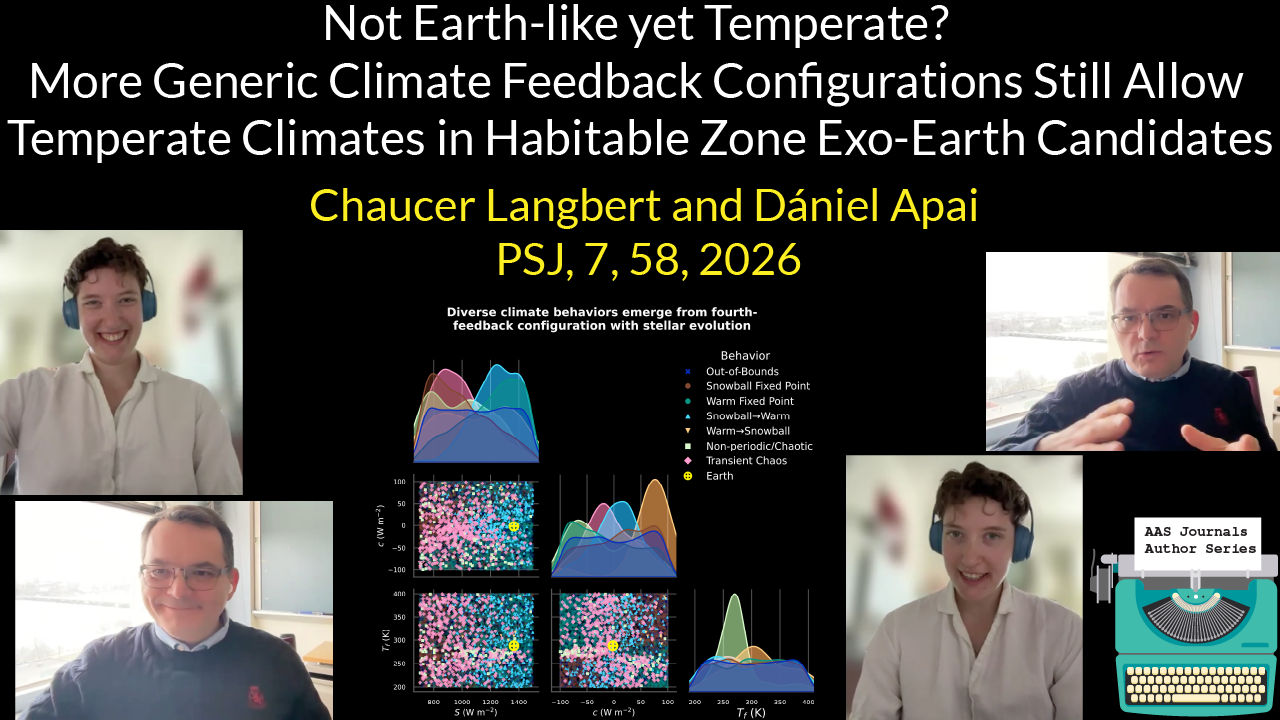
It was great to join LPL graduate student Chaucer Langbert and Frank Timmes to chat about our recent study looking into climate evolution and climate chaos for planets that have climate feedbacks different from Earth. Through 20,000 simulations, we explored the potential climate diversity of other worlds, with the goal of informing next-generation exoplanet surveys…
 Pushing the Limits of Exoplanet Transmission Spectroscopy at MIT

 Pushing the Limits of Exoplanet Transmission Spectroscopy at MIT

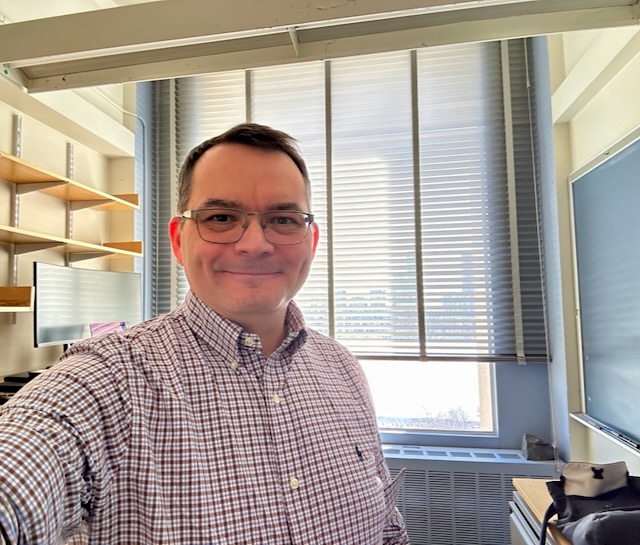
I am excited to start my sabbatical at MIT‘s Earths, Atmospherica, and Planetary Sciences department! I am looking forward to connecting with the MIT astrophysics, Earth and planetary sciences, atmospheric sciences, and aeronautical engineering communities. I have big plans for the sabbatical: I am very thrilled to work with Julien de Wit, Benjamin Rackham, Sara…

Not Earth-like – Yet Habitable? A study of climate dynamics of Alien Earths

Not Earth-like – Yet Habitable? A study of climate dynamics of Alien Earths

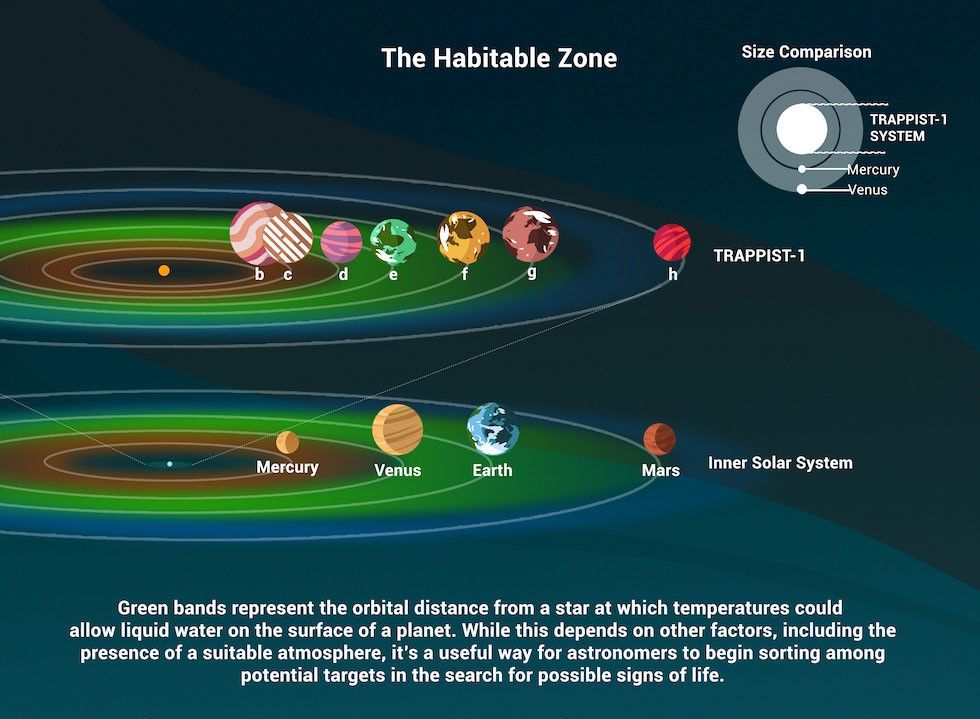
The “Habitable Zone” is a concept central to our search for extraterrestrial life – but it is not widely appreciated that it is only valid to planets with the same three dominant climate feedbacks as Earth. Would planets with climate feedback configurations somewhat different still have stable habitable climates?Or does Earth’s climate feedback configuration make…

Pandora and Search Alien Life at Ed Ackerley’s Morning Voice Show

Pandora and Search Alien Life at Ed Ackerley’s Morning Voice Show

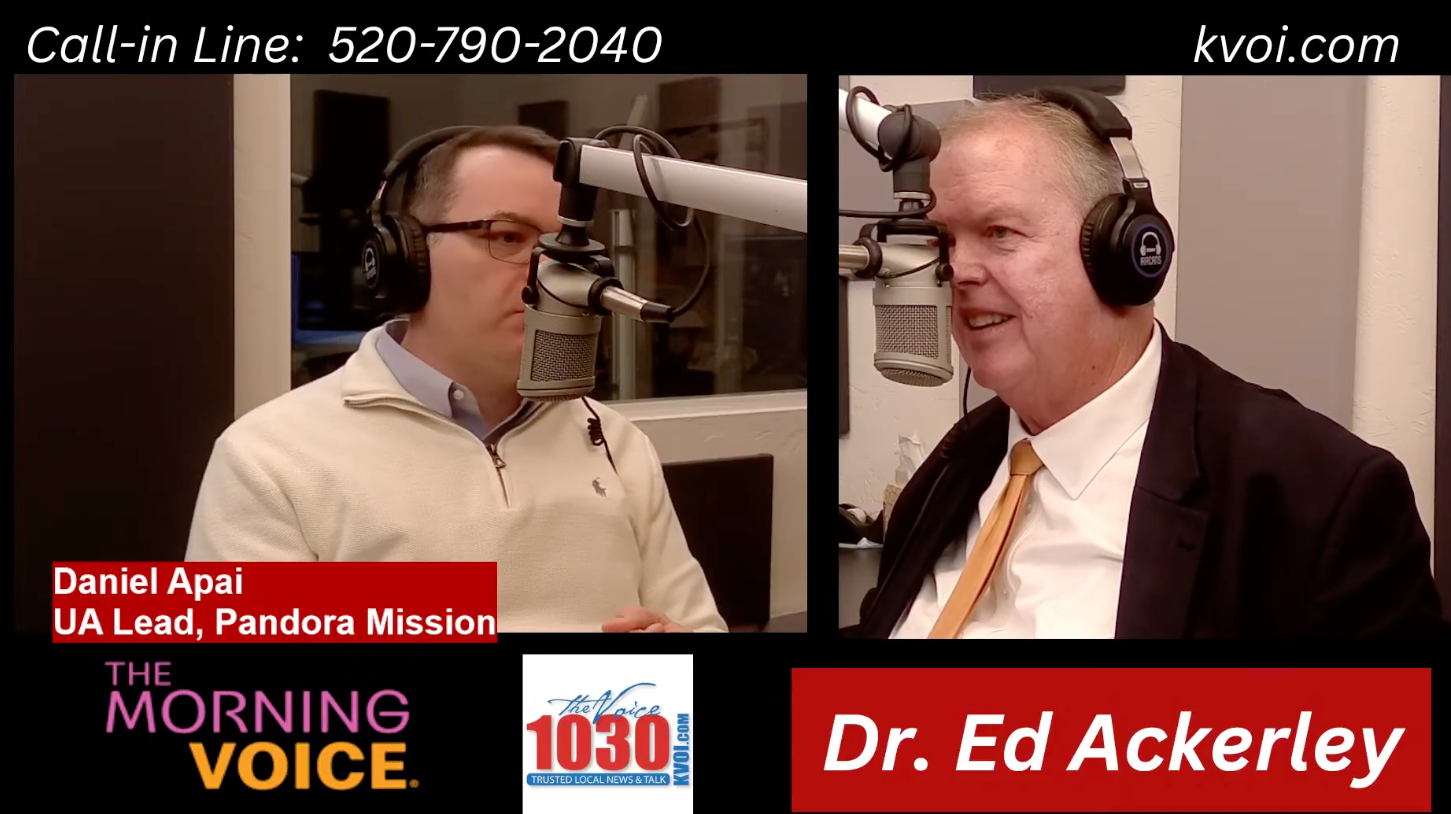
It was fun to chat with Dr Ed Ackerley of The Morning Voice about Pandora, The University of Arizona’s roles and contributions to this exciting mission, and our search for extraterrestrial life! Ed’s show is providing excellent coverage of wonderful, positive results and news emerging from Tucson and The University of Arizona – I highly…

From the Edge of Space to the Depths of the Ocean – Explorers Club in Sedona!

From the Edge of Space to the Depths of the Ocean – Explorers Club in Sedona!

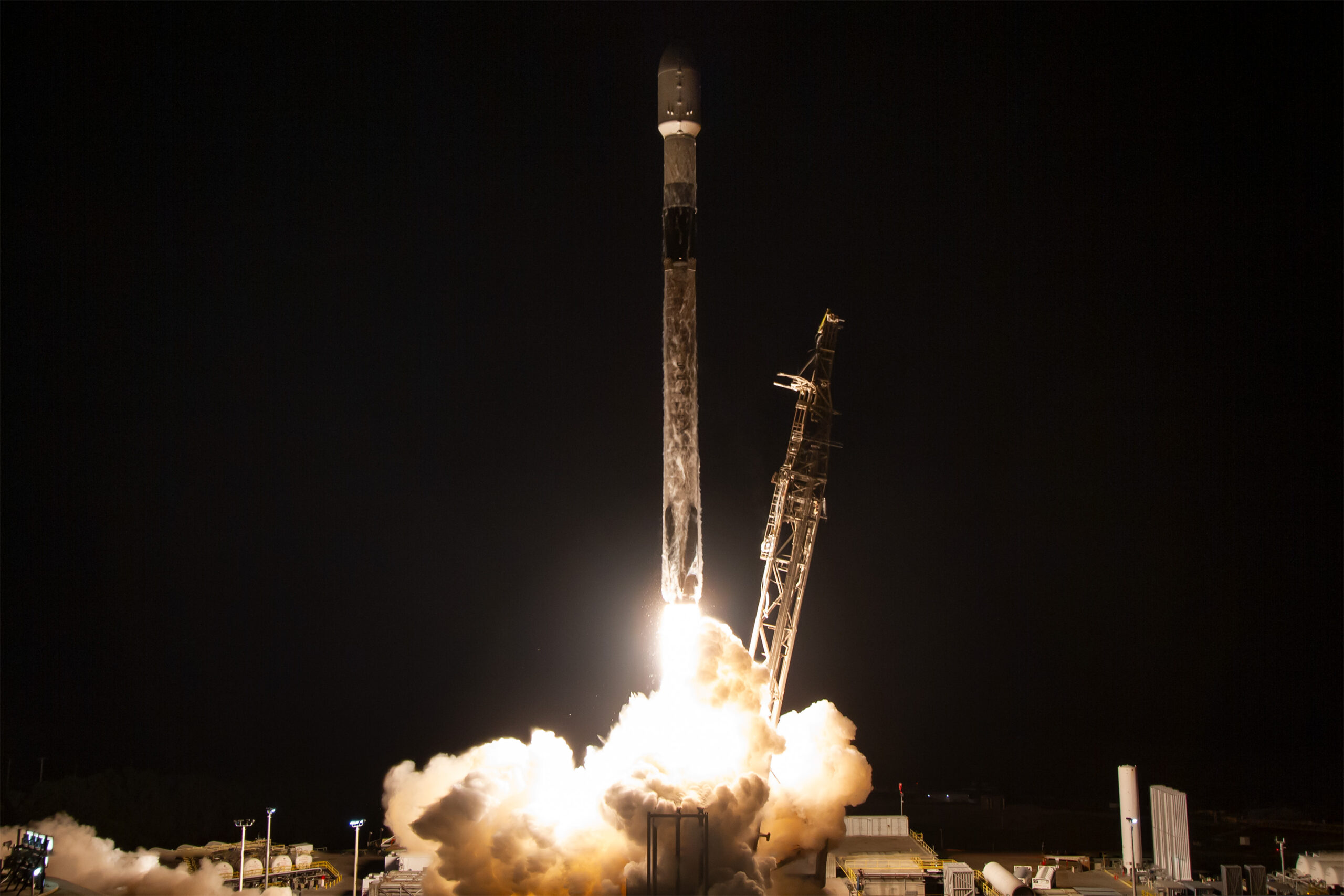
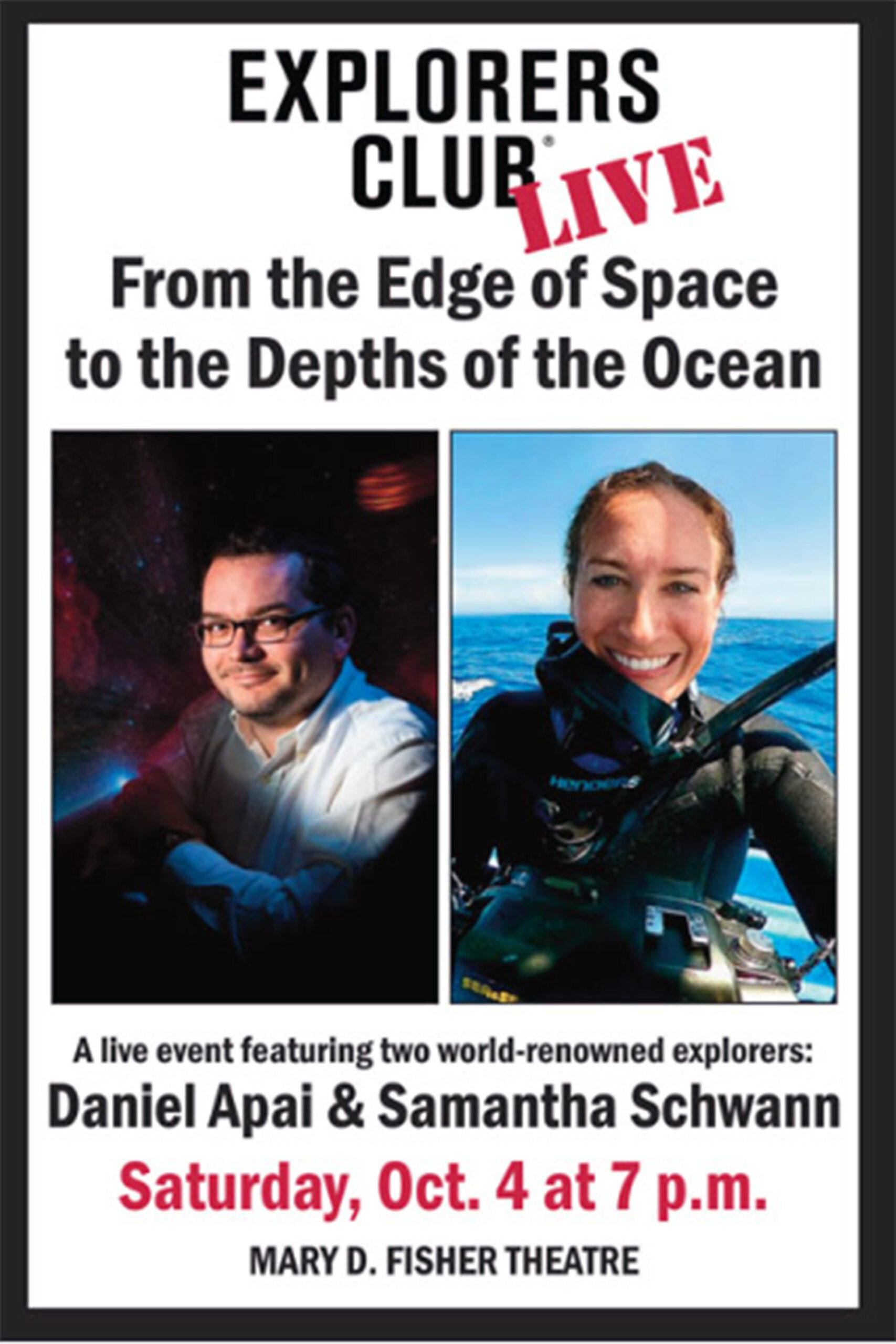
On October 4, we had a great evening in Sedona’s Explorers Club Live Event “From the Edge of Space to the Depths of the Ocean”! I spoke about the progress in exoplanet discovery and characterization, and the technological advances that set us on a trajectory toward an exciting future: the Pandora SmallSat (which we are launching…

First Diffractive Lenses Pressed in Our New Lab!

First Diffractive Lenses Pressed in Our New Lab!

What an exciting Saturday!! After months of lab upgrades, our Moore Nanotechnology Systems GPM170 glass-pressing machine is certified and running perfectly! This machine provides excellent, 0.1K temperature stability (our previous machine had 40K temperature swings!). It is also completes a cycle 3x faster, molding a lens in less than an hour! We are getting much…

Forbes Article on our Quantitative Habitability Framework

Forbes Article on our Quantitative Habitability Framework

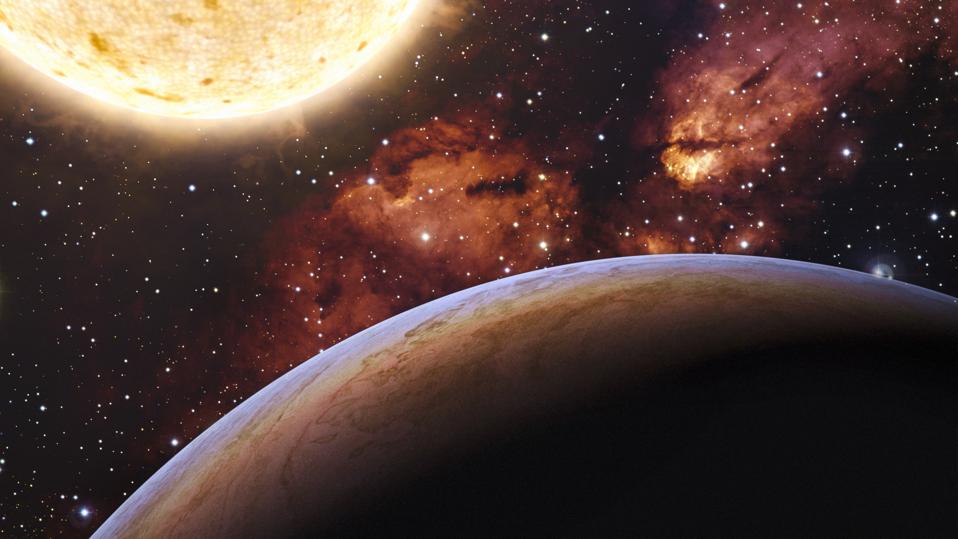
While in Iceland for the BEACON25 astrobiology meeting, I chatted with Forbes writer Bruce Dorminey about our recently published Quantitative Habitability framework (QHF). Bruce also did a video interview on his cell phone, in which we chatted about exoplanet exploration, astrobiology, and habitability.The article appeared on Thursday on Forbes and provides a great summary of…